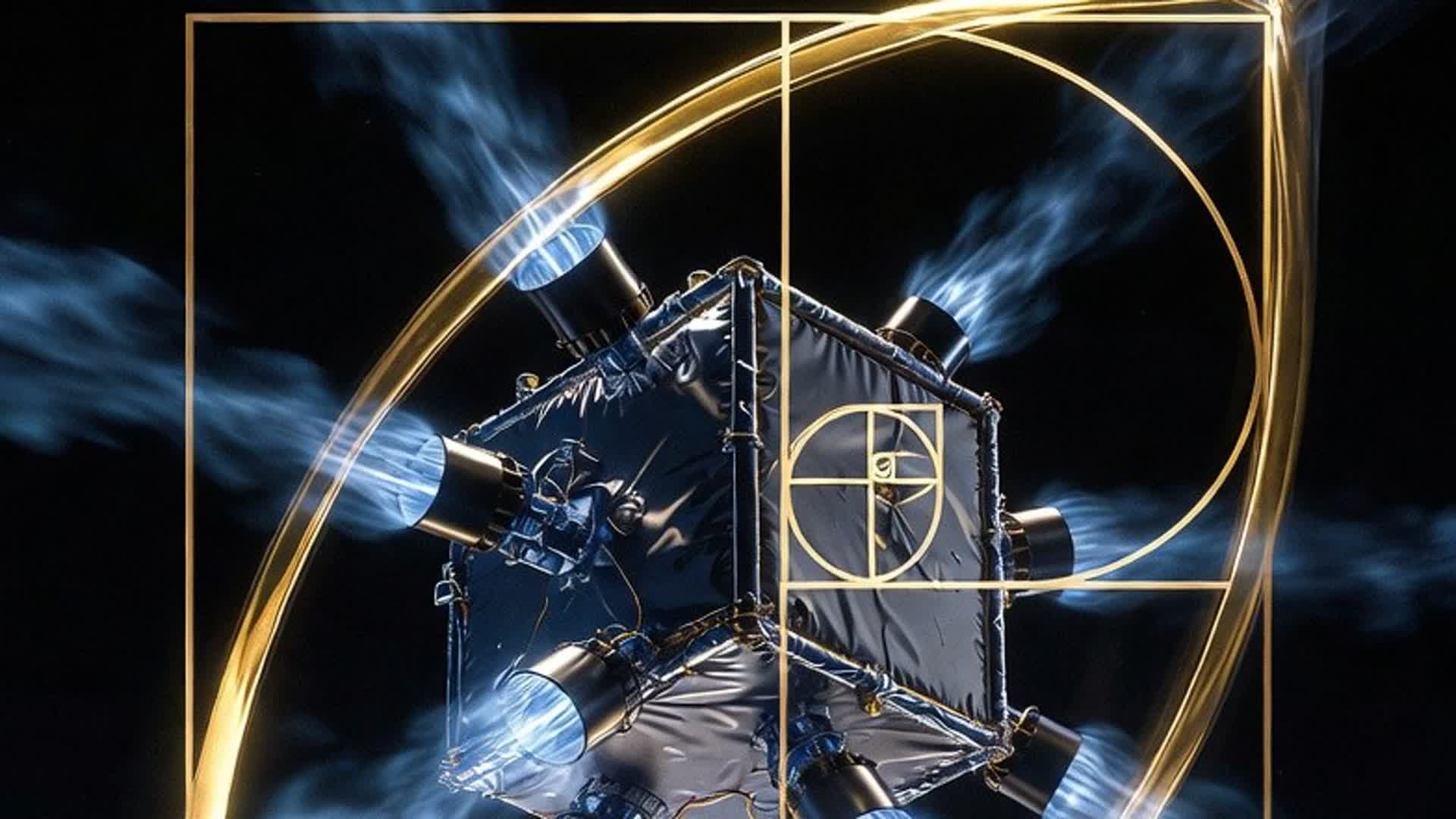
CS-33 · Dual-mode bus · LEO
Productive time in orbit
Green dual-mode propulsion and optical downlink on a single 3U–6U CubeSat. Less waiting. More data returned.
3U–6U
Bus class
Rideshare envelope
1 tank
ASCENT feed
Chemical + electrospray
Laser+RF
Downlink
Optical + backup
5–15 min
LEO pass
Contact window
Design targets · concept architecture · not flight heritage
Architecture
What flies on the bus
Four linked pieces. One vehicle. Browse the stack the way you’d scan a flight article.
Bus
Single-vehicle architecture built around productive orbit time — not a tandem pair.
Propulsion
ASCENT chemical burns for fast moves; electrospray for efficient long dwell.
Comms
High-rate optical dumps when clear; radio for commands and clouded passes.
Return
Less idle data, longer on target, more volume left for real payload.
The gap
Orbit time is too expensive to waste
The dominant operational gap across CubeSat missions is not launch cost alone — it is idle time. Data sits onboard for hours while the satellite waits for the next ground station pass.
Short contact windows
LEO satellites typically see a professional ground station for only minutes per pass. Over oceans and remote regions, blackout stretches far longer.
Weak on-target control
Without efficient propulsion, a CubeSat drifts away from high-value ground tracks. Observation opportunities shrink even when the payload is healthy.
Simulation
Mission simulation
A concept pass of the bus: station-keeping over a target, then a laser dump on the next clear window. Visualization of the architecture — not flight footage.
Concept visualization · 1280×720 · not flight telemetry
Flight stack
Propulsion and laser that work together
CubeSat33 is not a stack of unrelated subsystems. Dual-mode thrust keeps the bus useful longer. Laser downlink makes every available contact dump more data.
Dual-mode propulsion
One green ASCENT tank feeds both a chemical thruster for fast maneuvers and electrospray thrusters for efficient station-keeping. Stay on target without hauling two separate propulsion stacks.
Technical detailsLaser communications
A compact optical terminal with active beam steering moves large volumes during each pass. RF remains available for housekeeping when weather or geometry blocks the laser.
Comms approachPropellant
One ionic liquid. Two thrust paths.
ASCENT is a hydroxylammonium-nitrate-based ionic liquid monopropellant. Catalytic decomposition gives chemical thrust for fast maneuvers. Electrospray extraction of the same liquid gives high-efficiency station-keeping. One tank does both — denser packaging than dual independent systems, lower toxicity handling than hydrazine.
HAN-based ionic liquid · catalytic chemical mode · electrospray mode · shared tank · GPDM-class baseline
Mission return
What operators get
Less idle data
Faster dumps mean less science sitting unused between passes.
Longer on target
Electrospray station-keeping keeps high-value dwell time available.
More payload room
Shared-tank dual-mode reduces propulsion overhead versus two separate systems.
Next step
From payload idea to a dual-mode bus profile
Share orbit target, data volume, and timeline. We map whether shared-tank dual-mode and optical downlink fit your mission — baselined against public GPDM and CubeSat-scale laser terminals. Concept stage: honest scoping, no overclaim.
Bring
- 01Payload class and power budget
- 02Target orbit / ground-track needs
- 03Daily data volume and latency goals
- 04Timeline and form-factor constraints